
SEC Opens $75M Crypto Funding Floodgate With New Rule Plan
Key Takeaways
- The SEC proposed Regulation Crypto Assets with exemptions up to $5 million and $75 million.
- Paul Atkins says the SEC plan could bring crypto fundraising under clearer U.S. rules in 2026.
- SEC comments will remain open for 60 days after Federal Register publication.
The proposal, called Regulation Crypto Assets, was announced Aug. 18 and would establish a securities offering framework for some investment contracts involving crypto assets. An investment contract generally involves people putting money into a venture while expecting others’ work to create value.
The SEC said the proposal builds on its March 2026 interpretation of how federal securities laws apply to crypto assets and related transactions. The agency is trying to answer a question that has followed the industry for years: How can a project raise money to build a network without creating lasting uncertainty over securities-law compliance?
Two New Fundraising Paths
The first proposed exemption would allow a qualifying issuer to raise as much as $5 million over four years. The second would permit offerings of up to $75 million in each 12-month period.
Both options would require issuers to give investors principles-based narrative disclosures. That means the company or project would need to explain important facts in clear written form, rather than simply meet a one-size-fits-all checklist.
Issuers using the larger $75 million exemption would face additional obligations. They would have to provide financial statements and continue making reports after the offering, giving investors more information about the issuer’s condition and operations.
For crypto startups, the distinction could matter. Smaller projects may have a less burdensome route to seek capital, while projects raising more money would face greater transparency requirements designed to help investors evaluate risks.
A Proposed Safe Harbor
The proposal also includes a conditional safe harbor related to the definition of an investment contract. A safe harbor is a legal provision that protects a person or company from a particular rule if it meets specified conditions.
Under the SEC’s proposal, a crypto asset could be treated as no longer subject to an investment contract when an issuer has completed, or permanently stopped, the essential managerial work it told purchasers it would perform. The question is not simply whether a token exists, but whether buyers are still relying on a promoter’s promised efforts.
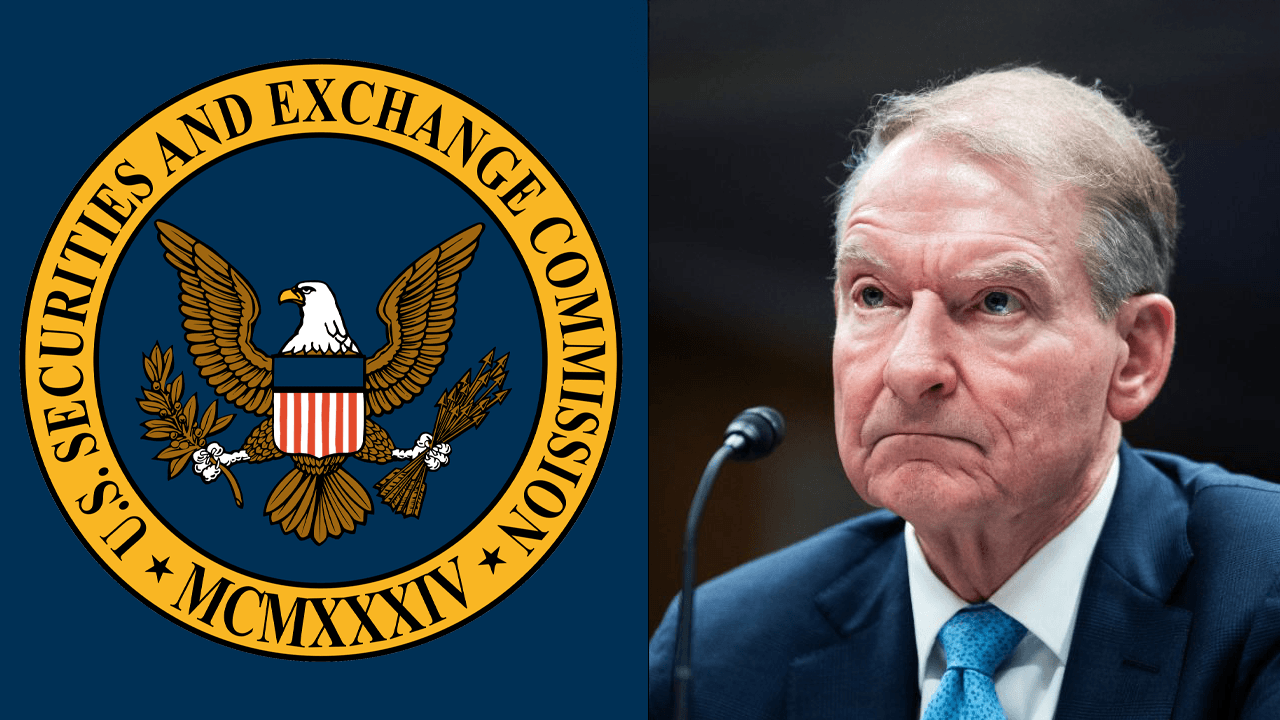
SEC Chairman Paul S. Atkins said the rule is meant to give market participants “clear pathways to raise capital under the federal securities laws.” He also said the safe harbor would apply once an issuer had completed or permanently ceased “all essential managerial efforts” represented or promised under an investment contract.
In a speech accompanying the announcement, Atkins framed the proposal as a response to uncertainty that he said had pushed crypto innovation outside the United States. “How can I raise capital to develop a crypto asset while I am still working to develop the network where it will be used?” he said, describing the problem Regulation Crypto Assets is intended to address.
Federal Rules, State Laws, and the Next Step
The proposal would also preempt, or override, certain state securities registration and qualification requirements for securities sold under the new exemptions and for some secondary-market transactions. Secondary-market transactions are trades between investors after the original sale.
That provision could reduce the need for issuers to navigate different state-level registration rules, but it would not eliminate the proposed federal conditions. The SEC said the broader goal is to create more consistent protections while reducing incentives for issuers to operate offshore.
The rules are only a proposal, not current law. The SEC will accept public comments for 60 days after the proposing release is published in the Federal Register. Comments from investors, cryptocurrency companies, lawyers and state regulators could shape the final rule.
The proposal also arrives as Congress considers broader crypto market structure legislation, including the CLARITY Act referenced by Atkins. Readers should watch for the Federal Register publication date, the comments submitted during the 60-day period and whether the SEC changes the exemptions, reporting duties or safe-harbor conditions before adopting a final rule.
Credit: Source link